Technology, Institutions and Investment: Lessons from Nobel Laureates
The dominant theme in markets this year has been the transformative potential of technology. From cloud infrastructure to artificial intelligence, IT spending has surged to levels rarely seen before, and equity markets have rewarded companies at the centre of this trend, particularly in the United States. Yet behind the headlines lies a deeper question: does investment in technology automatically translate into sustained economic growth?
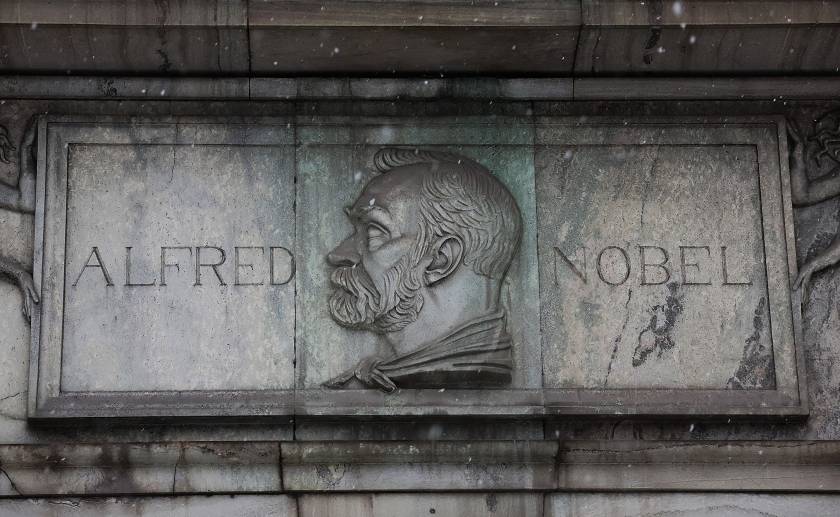
Recent Nobel laureates suggest the answer is more nuanced. Their work reminds us that technology is not destiny. It delivers progress only when supported by knowledge, institutions and incentives. Joel Mokyr, honoured in 2025, explained why the Industrial Revolution produced enduring prosperity, pointing to useful knowledge, mechanical competence and open institutions. Philippe Aghion and Peter Howitt extended this thinking by formalising Schumpeter’s concept of creative destruction, showing that growth depends on continual innovation and the replacement of outdated technologies. Last year’s winners, Daron Acemoglu, Simon Johnson and James Robinson, added a critical insight: inclusive political and economic institutions are the foundation of broad-based progress, while extractive systems lead to stagnation.
Together, these ideas offer a powerful lens for understanding today’s technology-driven optimism.
Read the full Investment Roadmap here.